

“When you read a short story, you come out a little more aware and a little more in love with the world around you.”This quote from acclaimed author George Saunders – whose novel Lincoln in the Bardo won the 2017 Booker Prize – encapsulates the unique satisfaction that comes from a well-executed short story. Short stories are like windows; they offer a glimpse into a world that is no less complete for its compactness.The short story format has a rich history and enduring literary value, making it a compelling genre in the world of literature. One of the earliest examples of short stories can be traced back to Aesop’s Fables, a collection of moral tales dating back to ancient Greece. This highlights the enduring power of concise narratives to convey profound truths.For younger readers and authors, the form of the short story presents an ample amount of potential for self-expression. While novels and epics are certainly worthwhile, the commitment and focus required to read an 80,000-word book may appear daunting to less experienced readers. However, people of all ages can absorb or even attempt to craft a short narrative that captures the pivotal moment of a character’s life, or a hair-raising event that forever changes a community, in a little more than 1,000 words.The breadth of a short story also allows for it to be shared through a spoken performance that does not exceed an hour. There are many benefits to sharing literature through speech and to auditory learning in general. Some of these benefits include but are not limited to: improved listening, communication, and critical thinking skills. Hearing stories aloud gives students the chance to recognize and appreciate the subtle musicality and nuanced rhythms of great writers. The joys of language are heightened when read by a capable actor, inviting students to enjoy a form of storytelling that may otherwise feel inaccessible.The short story has been utilized by people from all over the world to share their experiences, cultures, and identities. These stories transcend geographical boundaries, shedding light on universal themes while celebrating the uniqueness of various cultures. Indian-American author Jhumpa Lahiri has delved into the immigrant experience, weaving tales of displacement and belonging in ways that resonate with people around the world. Chimamanda Ngozi Adichie, an acclaimed Nigerian author, has experimented with the short story to explore the intricacies of gender and race in a global context. Chinese novelist Shuang Xuetao recently examined heritage, family, and grief in his beautiful short story Heart which was published in the October 2nd edition of The New Yorker.For this reason, literacy and education programs offer an invaluable service to the community at large. As the first Youth National Poet Laureate of the United States, Amanda Gorman, said, “Literacy is… the gateway to activating democracy. We become better activists, better engaged citizens; better community members when we can use language, knowledge, and education to communicate and actualize social change.”More than anything, the form of the short story can introduce a medium that allows for profound introspection and expression. From the expert on short stories herself, Joyce Carol Oates: “Everyone’s story is unique, and every life is worth examining.”
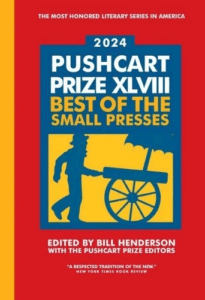
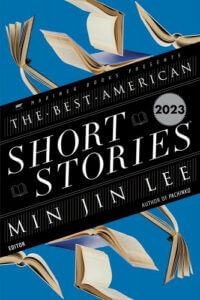
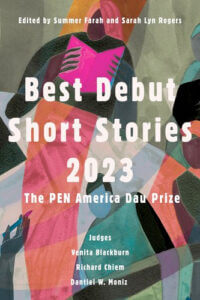
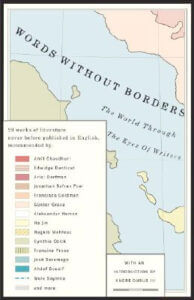
Storytelling affects and nurtures readers."Without stories, we cannot live well," shares author Min Jin Lee. Expand your short story horizons with these collections:
Listen to captivating stories on the WORDTheatre Short Story Podcast